Nutrition and cancer: myths, facts and practical suggestions
A cancer diagnosis not only involves a lot of questions about medical matters, but also lots of advice on nutrition. From “cancer diets” to restricting sugar and vitamin infusions, the range of supposedly helpful tips is enormous. But what is really useful?
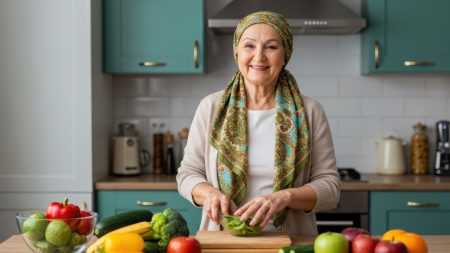
In an interview with the German magazine “Der Spiegel”, oncologist Professor Jutta Hübner, an expert in integrative oncology, sheds light on the subject. Her message is clear: there is no such thing as a special cancer diet, but eating as healthily as you can may play a decisive role in supporting your treatment.
There is no such thing as a cancer diet, but a healthy basis is key
There is no scientific evidence that a specific diet can help patients overcome cancer. What is more important is that those affected get enough carbohydrates, proteins, fats and micronutrients. The goal is to keep the body stable during what is often an arduous phase of therapy – and not to put additional strain on it by following strict diets.
The belief that sugar “feeds” cancer cells still persists and yet it is not true. Not even abstaining from it completely will deprive the tumour of energy. The keto diet is viewed particularly critically because it can easily cause malnutrition and has no proven benefits for successful treatment.
Weight: a good balance, not extremes
Obesity is a risk factor for cancer, but the following still applies: crash diets are a no-go while treatment is ongoing. Being underweight and malnourished increases the risk of complications. Small “indulgences” like a slice of cake are fine – an overall balance is what counts.
People are often advised to avoid dairy products, but without good reason. In fact, research shows that consuming milk and yoghurt may actually be associated with a lower risk of developing cancer. They provide high-quality protein and important amino acids, which are particularly essential while undergoing treatment.
Fasting and supplements: beware of false promises
Fasting cures or intermittent fasting while undergoing cancer treatment can be risky because they weaken the body even more. Similarly problematic are infusions of high doses of vitamins or taking nutritional supplements without evidence of a deficiency: not only are they ineffective, they may actually interfere with the treatment.
How to judge whether a recommendation is trustworthy:
- No extreme dietary restrictions or unbalanced diets
- Guidance based on scientifically sound recommendations (e.g. from the Swiss Cancer League)
- Adapted to your personal circumstances: if a deficiency is suspected → specific tests and supplements provided by specialists
The “Was essen bei Krebs? (what to eat if you have cancer - available in German only)” project, which provides patients with sound information and recipe ideas, is highly recommended.
Conclusion
A healthy diet while undergoing cancer treatment calls for variety, not abstinence. The best way to support your treatment and quality of life is to stick to a balanced diet, supply your body with enough energy and nutrients, and steer clear of dubious trends.