Smoking Is the Biggest Preventable Risk Factor for Cancer
It is well known that smoking is unhealthy. What is less well known is how many different types of cancer it can contribute to – and how much stopping smoking can achieve.
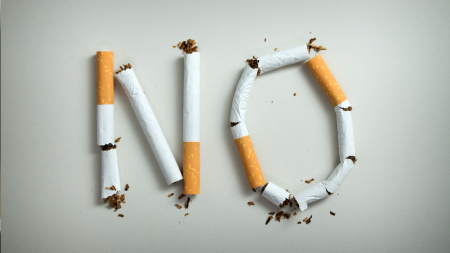
Smoking is primarily associated with lung cancer – and rightly so. In Switzerland, around 80 per cent of lung cancer cases are attributable to tobacco use. But the harmful effects of tobacco smoke are not limited to the lungs.
According to the International Agency for Research on Cancer (IARC), smoking can cause at least 20 different types of cancer. These include, among others, cancers of the oral cavity, throat and larynx, oesophagus, pancreas, kidney and bladder.
The risk increases with tobacco consumption
An individual's risk of developing cancer depends, among other things, on how much and for how long they smoke, and the age at which they started. The basic principle is clear: tobacco smoke contains numerous carcinogenic substances, and even small amounts are not risk-free.
Around 9,500 people in Switzerland die each year as a result of tobacco use. Tobacco is therefore one of the most significant preventable risk factors for disease and premature death.
Quitting is worthwhile at any age
The good news is that stopping smoking reduces the risk of developing disease. The earlier someone quits, the greater the health benefits. But even after many years of smoking, quitting is still worthwhile.
The risk of cancer decreases gradually. Around ten years after quitting, for example, the risk of dying from lung cancer is approximately half that of people who continue to smoke. The risk of several other types of cancer also decreases.
What can help you quit smoking
Giving up smoking is not always easy. Good preparation and professional support can increase the chances of success:
- set a specific quit date
- identify common triggers such as stress, coffee or alcohol and prepare alternatives
- seek support from a doctor or specialist smoking-cessation service
- use appropriate medication or nicotine-replacement products if needed
- do not regard setbacks as failure; instead, make another attempt
Professional counselling can significantly increase the likelihood of successfully quitting smoking.